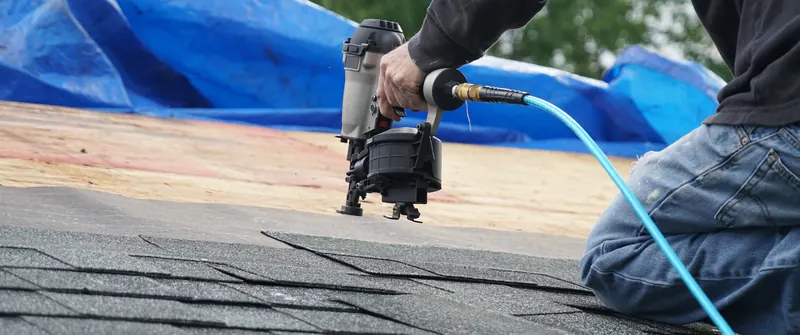
For McKinney homeowners, the calendar page turning to March signals more than the arrival of spring. It marks the beginning of North Texas storm season — a period that typically runs through June and brings the full range of severe weather that characterizes life in Collin County: large hail, high straight-line winds, tornadoes, and deluges that can drop two to four inches of rain in a matter of hours. The roof is your home's first and most critical line of defense against all of it. Taking a few focused preparation steps before the worst storms arrive can mean the difference between minor, manageable maintenance and major structural damage that keeps your family displaced for weeks. This guide covers everything you need to do — and in what order.
Understanding North Texas Storm Season
The DFW area and surrounding Collin County experience severe weather driven by a specific atmospheric setup: warm, moist air from the Gulf of Mexico collides with cooler, drier air from the Rocky Mountain region, and the result — particularly in spring — is powerful convective storm development. McKinney sits far enough north that it often catches the northern edge of storms tracking northeast out of Dallas, and it is also exposed to storms that develop over the Red River basin and move south. The city's rapid growth over the past two decades means a large and growing number of relatively new homes in communities like Craig Ranch, Stonebridge Ranch, and Painted Tree, all of which have roofs that will face their first major hail or wind events in the coming years.
The highest-risk window for McKinney is March through June, with a secondary season in September and October. Preparation work done in late February or early March, before the peak risk period arrives, is the most effective timing.
Step 1: Schedule a Pre-Storm Professional Roof Inspection
The most effective single action a McKinney homeowner can take before storm season is to have a professional roof inspection performed. An experienced inspector will identify existing vulnerabilities — cracked or curling shingles, deteriorated flashing, worn pipe boot seals, soft spots in the decking — that could allow even a moderate storm to cause significant interior water damage. Catching these issues in February or March means you have time to schedule repairs before the first major storm of the season, rather than scrambling for contractor availability while competing with hundreds of other storm-damaged homeowners simultaneously.
A professional inspection covers areas that are not safely accessible from the ground: the field of the roof, ridge cap condition, valley flashing, chimney and skylight seals, and the condition of the roofing underlayment where it is visible at eaves and penetrations. At SkyGuard, we provide written inspection reports with photographs for every inspection we complete, giving you a clear, documented baseline of your roof's condition both for your records and as a comparison point if you need to file an insurance claim later in the season.
Step 2: Inspect and Clean Your Gutters
Gutters are your roof's drainage system, and a clogged gutter system can cause water to back up under the eave and into the roof structure — a condition known as ice damming in colder climates and simply as back-ponding in the Texas heat. Before storm season, clear gutters of all debris: leaves, twigs, seed pods from the numerous pecan and oak trees common in McKinney neighborhoods. Check that downspouts are clear by flushing them with a garden hose. Confirm that all downspout extensions direct water at least three to four feet away from the foundation. Look for sagging gutter sections or separated joints that can divert water against the fascia board and into the soffit.
In heavy-rain events common during North Texas storms, undersized or clogged gutters can overflow in a matter of minutes, sending significant volumes of water directly against your home's foundation and exterior walls. Well-maintained gutters are not a secondary concern — they are an integral part of roof system performance.
Step 3: Trim Trees and Remove Dead Branches
McKinney's established neighborhoods have mature tree canopies that add significant value and aesthetic appeal to properties — and also pose a meaningful risk during high-wind events. Dead or structurally compromised branches can be carried into your roof by winds well below severe-thunderstorm thresholds. Before storm season, walk the perimeter of your home and identify any branches that overhang the roof within six to ten feet. Have a certified arborist or tree service assess and remove dead wood and prune overhanging branches to reduce both the risk of direct impact and the accumulation of leaf debris that accelerates granule loss on asphalt shingles.
Pay particular attention to large mature trees adjacent to the home. A significant branch failure during a severe storm can cause catastrophic roof damage that insurance adjusters classify as "fallen object" rather than wind damage — a distinction that can affect your deductible and coverage calculation.
Step 4: Check Flashings and Sealants
Flashing is the sheet metal installed at all roof transitions — around chimneys, skylights, plumbing vents, HVAC curbs, dormers, and walls. It is the most common source of roof leaks because it relies on sealants and physical shaping rather than the redundancy of overlapping shingles. Inspect all flashing visually from the ladder at the eave and with binoculars from the ground. Look for lifted or separated sections, visible rust, and sealant that has cracked, separated, or pulled away from the adjacent surface. Pipe boot seals — the rubber or neoprene collars around plumbing vents — degrade faster than most other roof components and often need replacement after eight to twelve years.
Minor flashing issues repaired in early spring are a small fraction of the cost of interior water damage that results when a compromised flashing seal fails during a sustained rainstorm. This is one area where deferring maintenance genuinely compounds cost.
Step 5: Assess Attic Ventilation
Adequate attic ventilation is essential to roof longevity in the McKinney climate. During summer, an under-ventilated attic can reach temperatures of 150 to 160 degrees Fahrenheit, which accelerates shingle deterioration, drives up cooling costs, and creates conditions that promote moisture accumulation during temperature swings. Before storm season, confirm that ridge vents and soffit vents are clear of insulation blockage (a common issue after blown-in insulation installation), and that the total net free area of your ventilation meets the 1:150 or 1:300 ratio recommended by the building code depending on vapor barrier configuration.
During and Immediately After a Storm
When severe weather is imminent, the most important step is to have already completed the preparation above. During the storm itself, stay inside and away from windows. Do not attempt to access the roof during or immediately following a storm — wet roofing surfaces are extremely slippery, and downed power lines or unstable structural elements may not be immediately visible.
Once the storm has passed and it is safe to go outside, do a ground-level visual assessment. Look for obvious damage: missing shingles, displaced flashing, debris on the roof, and granule accumulation in gutters and downspout areas. Check inside the home for ceiling staining, wet insulation in the attic, or active drips. Document everything with photographs before any cleanup begins.
If you find evidence of damage or your area was within the path of a storm that included confirmed hail or high winds, schedule a professional inspection promptly. Roofing contractors in the McKinney and Collin County area book up quickly after major storm events. SkyGuard Roofing Solutions maintains service capacity throughout the storm season and can typically schedule inspections within a few business days of a significant weather event.
Build Your Emergency Information Kit
Before storm season, compile the following information and keep it accessible: your homeowner's insurance policy number and claims phone number, your mortgage servicer's contact information (required if an insurance check includes them as a payee), a trusted roofing contractor's contact information, and photographs of your roof's current condition that pre-date the storm season. This last item is particularly valuable — pre-storm photographs help establish the condition of your roof before a storm, which strengthens your insurance claim if damage occurs later.
To schedule a pre-storm inspection for your McKinney home or to discuss your residential roofing options, contact SkyGuard Roofing Solutions at (682) 330-5088 or use our online contact form. We also serve McKinney-area businesses through our commercial roofing division. If you have questions about financing a roof repair or replacement, our team is glad to walk you through available options.