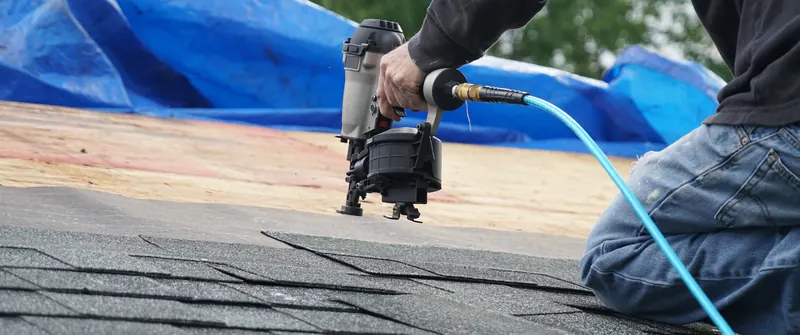
Plano is one of the fastest-growing cities in Texas, and its housing stock reflects that growth — everything from mid-century ranch homes in established East Plano neighborhoods to newer construction in master-planned communities near the Collin County border. Whether you are dealing with storm damage, aging shingles, or planning a proactive replacement, finding the right roofing contractor in Plano requires more diligence than many homeowners expect. The DFW roofing market is large and competitive, which means your options range from highly capable local specialists to out-of-state companies with little local accountability. This guide gives you a clear framework for evaluating contractors and making a confident hiring decision.
Understand Texas Roofing Licensing Requirements
Texas regulates roofing contractors through the Texas Department of Licensing and Regulation (TDLR). Roofing contractors operating in Texas are required to hold a Roofing Contractor license, and the state also maintains a Roofing Project Manager registration. You can verify any contractor's license status at the TDLR website using the company name or license number — the search takes less than a minute and immediately tells you whether the license is active and in good standing.
Plano itself operates under the International Building Code and International Residential Code as adopted by the City of Plano, and roofing work requires a permit for full replacements. A legitimate contractor will pull the permit on your behalf as part of the project; if a contractor suggests you pull your own permit or offers to skip the permit to save time, that is a significant red flag. Permit records are public, so you can also verify that a contractor's previous jobs in Plano passed inspection by checking the city's permit records.
Insurance Verification: Don't Skip This Step
Before any work begins on your Plano home, confirm that the contractor carries two types of insurance: general liability and workers' compensation. General liability protects your property in the event the crew causes accidental damage during the project — a falling tool, a vehicle that rolls into your fence, a fire from a torch-applied membrane. Workers' compensation protects you from liability if a crew member is injured on your property during the job. Without workers' compensation, an injured worker can potentially file a claim against your homeowner's insurance.
Do not accept a verbal assurance of coverage. Ask the contractor to provide certificates of insurance directly from their insurer, and verify that the coverage is current (not expired) and that the limits are adequate. Minimum general liability of $1 million per occurrence is standard for residential roofing in the DFW market. If a contractor is reluctant to provide certificates, move on.
Getting Multiple Estimates in Plano
For any roofing project above minor repair work, obtain at least three written estimates from different contractors. This serves two purposes: it gives you a market-rate benchmark for pricing, and it gives you a direct comparison of how each contractor approaches the scope of work. Estimates that vary dramatically in price are often telling — either the low bidder has excluded something significant (like proper underlayment, drip edge, or decking inspection), or the high bidder is pricing at a premium without a clear reason. Ask each contractor to walk you through their estimate line by line so you understand exactly what is included.
What a Thorough Estimate Should Include
A professional roofing estimate for a Plano home should specify the material manufacturer and product line, the warranty details (both manufacturer and workmanship), the scope of tear-off and disposal, whether decking inspection is included and how damaged sheathing will be handled, the underlayment type and weight, flashing replacement details, ridge cap and starter strip specifics, estimated timeline and crew size, and payment terms. If any of these elements are vague or missing from an estimate, ask for clarification before proceeding.
Checking References and Local Reputation
A roofing contractor who has been operating in the Plano and Collin County area for several years should be able to provide references from recent local customers. When you contact references, ask specifically about the crew's professionalism on site, how well the contractor communicated during the project, whether the job came in on time and on budget, and whether any issues arose after completion and how they were handled. References who describe a contractor as easy to reach, transparent about costs, and responsive after the job are strong indicators of a reliable partner.
Beyond personal references, check the contractor's profile on the Better Business Bureau (BBB), Google Business, and any neighborhood-specific forums relevant to your Plano neighborhood. Pay attention not just to the ratings but to how the company responds to negative reviews — a contractor who professionally acknowledges and resolves complaints is demonstrating the accountability you want in a long-term relationship.
Red Flags That Signal a Problem Contractor
The Storm Chaser Model
After any significant hail event in Collin County, you can expect contractors from outside the region to arrive in Plano neighborhoods offering free inspections and quick turnarounds. Some of these companies are legitimate, but the storm-chaser model — where crews move from market to market following weather events — creates structural incentives that do not align with homeowner interests. They prioritize volume and speed over quality, and when you have a warranty issue six months later, there may be no local office to call.
High-Pressure Sales Tactics
A reputable contractor will give you time to review an estimate, ask questions, and compare options. If a salesperson insists that a special price is only good today, that your neighbors have already signed up, or that your house is in immediate danger without any substantive evidence, those are pressure tactics designed to prevent you from doing your due diligence. Take the time you need.
Requests for Large Upfront Payments
It is normal for a contractor to request a deposit before ordering materials — typically 25 to 33 percent of the total project cost. Requests for 50 percent or more upfront, or demands for full payment before work begins, are warning signs. Payment should generally be tied to project milestones, with the final payment withheld until the job is complete and you have walked the site and are satisfied.
Understanding Warranties
There are two categories of warranty to understand when selecting a Plano roofing contractor. The manufacturer's warranty covers defects in the roofing material itself — granule adhesion, delamination, premature cracking. The workmanship warranty covers installation errors — improper flashing, inadequate fastening, incorrect underlayment installation. Manufacturer warranties range from 25 years to lifetime depending on the product and whether the contractor is an authorized installer for that manufacturer. Workmanship warranties vary from contractor to contractor but should be a minimum of two to five years for standard residential work.
Some manufacturers offer enhanced warranty programs (GAF's System Plus, for example) that cover both materials and labor, but only when installed by a certified contractor. Ask whether your contractor participates in any manufacturer certification programs and what that means for your warranty coverage.
Ready to get started with a Plano roofing contractor you can trust? SkyGuard Roofing Solutions serves the entire DFW area, including Plano and Collin County, with licensed, insured crews and straightforward project management. Schedule a roof inspection or request an estimate for residential roofing or commercial roofing. We are also happy to discuss financing options that fit your budget. Contact us at (682) 330-5088 to get started.