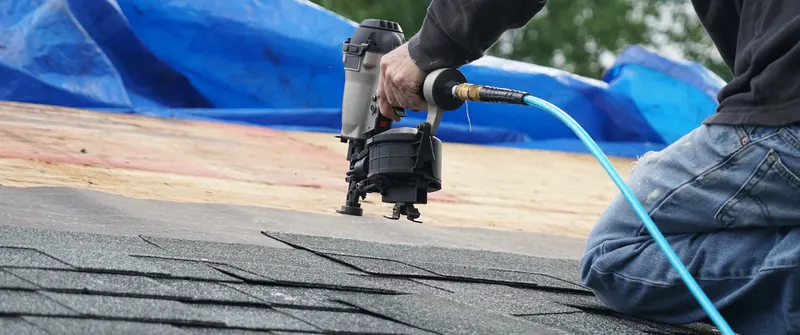
For a Mansfield home, energy-conscious roofing starts with the current roof condition and the rest of the building. A reflective covering can be part of the solution, but insulation, air leakage, ducts, and equipment may matter more for a particular house.
Compare product performance
Cool roofs use surface properties that reduce absorbed solar heat. Compare current documented reflectance and emittance for the actual finish and product. A metal label, light appearance, or old marketing sheet is not enough to compare two systems. ENERGY STAR roof-product certification was withdrawn in 2022; do not specify a new roof based on a claim of current certification under that discontinued program.
Keep the roof assembly in view
Shingles, metal panels, and low-slope systems have different slope, substrate, accessory, and attachment requirements. Select an assembly that fits the house before comparing energy features. If an existing roof is serviceable, ask whether air sealing or insulation can address the comfort problem without replacing the covering. Any coating proposal should be checked against the existing material’s compatibility and warranty.
Coordinate insulation and ventilation
A conventional vented attic and a designed unvented assembly need different approaches. Ask a qualified professional to review moisture sources, air pathways, ducts, and insulation condition. Adding exhaust vents alone does not establish energy savings. A radiant barrier also requires appropriate product selection and installation; it should not be treated as a substitute for insulation or a generic homeowner installation task.
Evaluate savings for your home
Request a documented baseline and the assumptions behind any savings estimate. Compare energy usage, weather, occupancy, rates, equipment, and insulation; do not multiply a roof-surface temperature change directly into a utility-bill saving. A sales claim of 15–25 percent savings or a fixed payback period is not established for every Mansfield house.
Confirm incentives and cost
Check current program eligibility, required preapproval, and installation-year rules before budgeting a credit or rebate. The federal Energy Efficient Home Improvement Credit discussed in older guides ended for new improvements after 2025. Price the roof and optional energy measures separately. Financing approval and terms need current written confirmation.
Ask for a coordinated proposal
Share the reason for the project: leaks, roof deterioration, room comfort, or energy spending. Ask SkyGuard to explain the roofing scope and identify any work requiring an insulation, HVAC, or energy specialist. The final proposal should name materials, necessary accessory work, warranty terms, and a realistic schedule for the approved scope.
Sources and further reading
- ENERGY STAR: understanding cool roofs
- ENERGY STAR: roof product certification withdrawal
- ENERGY STAR: air sealing and insulation
- IRS: Energy Efficient Home Improvement Credit
Plan your roofing next step
Request a roof inspection or call (682) 330-5088. Describe your property and any active leak so the team can confirm the appropriate scope and current availability.