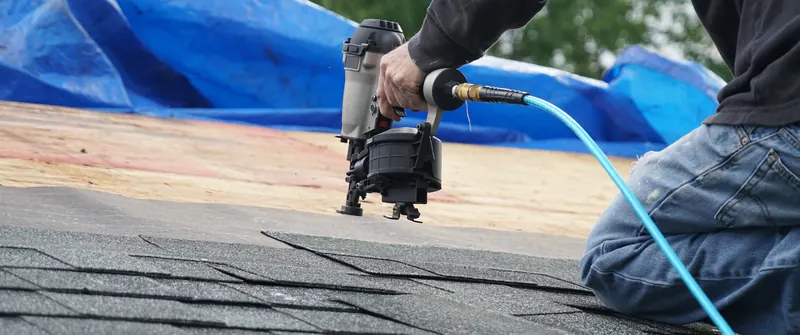
Dallas roofing inspection

Signs You Need a New Roof in Dallas, TX

Published March 23, 2026 — By SkyGuard Roofing Solutions

Dallas homeowners face a unique combination of weather extremes that accelerates roof wear faster than many other parts of the country. From severe spring hailstorms and summer temperatures that routinely climb above 100°F to sudden winter ice events, the North Texas climate is relentless. Knowing the warning signs that your roof is failing can save you from a far more expensive emergency — or worse, interior damage that spreads to your walls, insulation, and personal belongings.

Below are the most important indicators that it is time to schedule a professional roof inspection and consider a full replacement.

1. Your Roof Is 20 or More Years Old

The most reliable indicator is simple: age. Standard three-tab asphalt shingles typically last 15 to 20 years in the Dallas climate. Architectural (dimensional) shingles perform better, often reaching 25 to 30 years when properly maintained, though Texas heat shortens that range. If your roof was installed before 2005 and has never been replaced, it is operating on borrowed time regardless of how it appears from the street. An aging roof may look acceptable while the underlayment below has already failed, leaving your decking vulnerable to moisture intrusion.

2. Curling, Cupping, or Buckling Shingles

Shingles curl in two distinct ways. Cupping occurs when the edges of a shingle turn upward, resembling a shallow bowl. Clawing happens when the middle of the shingle lifts while the edges remain flat. Both are signs of weathering and improper moisture levels in the shingle material. In Dallas, intense UV radiation accelerates this process significantly. Once shingles begin to curl, they lose their ability to shed water effectively and are highly vulnerable to wind lift during thunderstorm season.

3. Missing Shingles

A single missing shingle is not merely a cosmetic problem. Every gap exposes the underlayment and decking to direct rainfall, UV exposure, and wind. In the Dallas-Fort Worth area, spring storms regularly produce gusts of 50 to 70 mph. If shingles are detaching after storms, the sealing strips and fasteners have likely degraded. Replacing individual shingles is possible, but matching older shingles for color and texture is difficult — and if multiple sections are missing, a full residential roof replacement is the more cost-effective solution.

4. Granule Loss and Bare Patches

Asphalt shingles are coated with ceramic granules that protect the underlying asphalt from UV rays and add fire resistance. As shingles age, these granules loosen and wash into your gutters. Check your downspouts and gutter troughs after a heavy rain — significant granule accumulation is a reliable sign of advanced shingle degradation. Bare patches on shingles appear darker and are highly visible on closer inspection. Once the granule layer is compromised, the shingle's lifespan drops dramatically.

5. Sagging Roof Deck

A sagging or uneven roofline is one of the most serious warning signs and demands immediate attention. It indicates structural problems — either the decking boards have deteriorated from moisture, or the rafters and trusses below have been compromised. In Dallas, prolonged roof leaks that go undetected can saturate the decking and cause it to soften and sag over months or years. Walk around your home and sight down the roof line from the corners. Any visible dips, waves, or drooping sections require urgent professional evaluation.

6. Daylight Visible Through the Attic

On a bright day, enter your attic and turn off any artificial lighting. If you can see daylight coming through gaps in the roof boards, water can enter through those same gaps. While you are up there, also look for water stains, dark streaks, or soft spots in the decking — all signs of active or historical leaks. Dallas's intense summer sun can make this inspection particularly revealing.

7. Water Stains on Interior Ceilings or Walls

Brown or yellow water stains on your ceilings are a clear indicator that moisture is penetrating your roof system. These stains do not always appear directly below the leak source — water travels along rafters and decking before dripping through. If you notice staining after a rain event, do not wait. Moisture that reaches your attic insulation, drywall, and framing creates conditions for mold growth and structural rot. A professional inspection can trace the leak path and determine whether repair or replacement is the right call.

8. Unexplained Increases in Energy Bills

A deteriorating roof affects your home's thermal envelope. When shingles, underlayment, or the decking itself fails, outside air infiltrates more readily, forcing your HVAC system to work harder. Dallas summers are brutal, and air conditioning is not optional — if your cooling costs have climbed without a clear explanation, your roof's insulating performance may have declined. Proper attic ventilation is tightly linked to roof system health, and a roofing contractor can assess whether ventilation deficiencies are compounding the issue.

9. Moss, Algae, or Lichen Growth

North Texas's humid spring and fall seasons create conditions where algae and moss can take hold, particularly on north-facing roof slopes that retain moisture longer. Black streaks are typically caused by Gloeocapsa magma algae and are primarily cosmetic. Moss, however, actively retains moisture against the shingle surface, accelerating granule loss and shortening shingle life. Lichen is even more aggressive — its root-like structures penetrate the shingle surface and are difficult to remove without damaging the material. Treatment is possible in early stages, but severe growth on an aging roof is often a signal that replacement makes more financial sense.

When to Call a Professional

If you observe two or more of the signs above, a professional inspection is not optional — it is essential. A thorough inspection examines the shingle field, flashing at penetrations and valleys, ridge cap condition, soffit and fascia integrity, and attic ventilation. SkyGuard Roofing Solutions provides free roof inspections for Dallas homeowners and can help you navigate an insurance claim if storm damage is a contributing factor. Our team understands the local permitting process and works directly with insurance adjusters to ensure your claim is documented accurately.

Do not wait for an active leak to take action. The cost of proactive replacement is always lower than the cascading damage a failing roof causes to your home's interior. If you have concerns about your roof's condition, contact SkyGuard Roofing Solutions today for a free, no-obligation assessment. We also offer flexible financing options to make roof replacement accessible for every Dallas homeowner.

Concerned About Your Roof's Condition?

SkyGuard Roofing Solutions offers free roof inspections for Dallas homeowners. Get an honest assessment from a trusted local contractor.