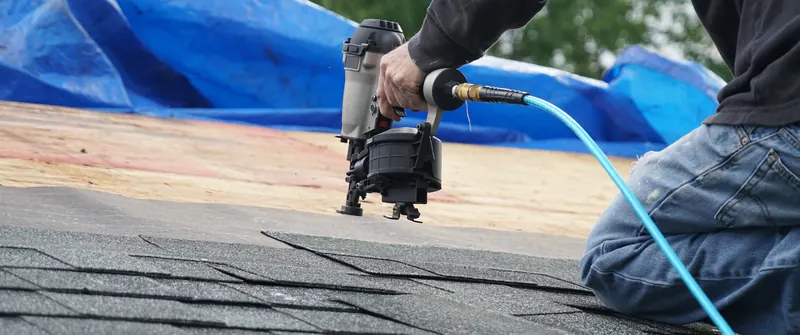
Commercial flat roofing in Keller TX

Flat Roof Solutions for Keller, TX Commercial Buildings

Published April 27, 2026 — By SkyGuard Roofing Solutions

Keller's commercial corridor along U.S. 377 and the expanding business parks near Alliance Airport represent a growing inventory of commercial and light-industrial buildings — many of which feature low-slope or flat roof systems. Choosing the right flat roofing membrane for North Texas's climate is not a generic decision. Extreme summer heat, periodic severe weather, and the freeze-thaw cycles that accompany North Texas winters each stress flat roof systems differently. This guide covers the primary flat roofing systems available, their comparative strengths, and the maintenance considerations that determine long-term performance.

TPO (Thermoplastic Polyolefin)

TPO is currently the most widely installed flat roofing membrane in commercial construction across North Texas, and for good reason. A single-ply membrane available in widths up to 12 feet, TPO is heat-welded at all seams, creating bonds that are consistently stronger than the membrane itself when installed correctly. White and light-colored TPO membranes reflect 70 to 85 percent of solar radiation, making them an effective Energy Star-compliant cool roofing solution in Keller's long summers. TPO is also resistant to puncture, chemical exposure from HVAC condensate, and UV degradation. Installation cost is moderate, and the membrane typically carries 15 to 20 year manufacturer warranties. The primary performance consideration is seam quality — improperly heat-welded seams are the leading cause of TPO failures and require experienced installation crews.

EPDM (Ethylene Propylene Diene Monomer)

EPDM is a synthetic rubber membrane that has been the standard for low-slope commercial roofing for over 50 years. It performs exceptionally well in temperature extremes — remaining flexible at very low temperatures, which matters for Keller's occasional winter ice events — and has a well-documented 20 to 30 year lifespan in field installations. EPDM's primary limitation in the Texas market is its black or dark gray color, which absorbs rather than reflects solar heat. White-coated EPDM and TPO-clad options exist to address this, but they add cost. EPDM is typically lower in installed cost than TPO and is easier to repair — patches and seam tape applications are durable when applied properly. It remains an excellent choice for buildings where thermal performance and longevity are the primary criteria.

PVC (Polyvinyl Chloride)

PVC membranes share many characteristics with TPO — both are single-ply thermoplastics, both are heat-welded at seams, and both are available in white for reflectivity. PVC's distinctive advantage is chemical resistance. For commercial kitchens, restaurant buildings, or any facility where oils, fats, and grease-laden exhaust contacts the roof surface, PVC significantly outperforms TPO. TPO degrades rapidly when exposed to cooking greases, while PVC resists the damage effectively. PVC tends to cost 10 to 20 percent more than TPO at installation and can become brittle over time in very cold climates — though North Texas's moderate winters rarely stress PVC to that degree. For food service, manufacturing, or industrial properties in the Keller market, PVC is frequently the correct specification.

Modified Bitumen

Modified bitumen is an asphalt-based two-ply system that provides excellent redundancy — the two layers of material mean that damage to the cap sheet does not immediately expose the building to water intrusion. APP (atactic polypropylene) modified bitumen is torch-applied and performs well in heat, while SBS (styrene-butadiene-styrene) modified bitumen is more flexible and cold-weather tolerant. Modified bitumen systems are well-suited to complex roof geometries with multiple penetrations, curbs, and equipment platforms because flashing details in a two-ply system are robust. Rooftop granule surfacing on the cap sheet provides UV protection and reasonable hail resistance. A properly installed modified bitumen system in North Texas performs for 15 to 20 years and is readily repaired when localized damage occurs.

Built-Up Roofing (BUR)

Built-up roofing — multiple alternating layers of bitumen and reinforcing fabric, topped with aggregate or a protective cap — is the oldest commercial roofing system still in use. Its strength is sheer mass and redundancy: four to five plies of material create a robust, long-lasting assembly that handles ponding water and foot traffic from maintenance personnel well. BUR is heavier than membrane systems and requires structural consideration during design. It remains a sound choice for reroofing over existing built-up systems, particularly on older commercial buildings throughout Keller and Fort Worth's established commercial corridors where replacing a BUR roof with a lighter membrane system may require additional structural analysis.

Drainage: The Critical Factor on Every Flat Roof

No membrane system performs well without adequate drainage. Texas building code requires flat and low-slope roofs to drain completely within 48 hours of a rain event. Standing water accelerates membrane degradation, adds structural load, and creates conditions for vegetation growth and insect activity. Keller commercial buildings should have interior drains, scuppers, or gutters sized to handle the 100-year storm flow rate for the area. Crickets and tapered insulation at drain locations ensure water moves toward drains rather than collecting at low points. Every commercial roofing inspection performed by SkyGuard Roofing Solutions includes drainage assessment as a core component.

Maintenance Schedules for Commercial Flat Roofs

Flat commercial roofs require twice-annual inspections — spring and fall — plus post-storm evaluations after any significant weather event. Each inspection should clear drains and scuppers of debris, check seams and flashings for separation or lifting, examine caulk at penetrations and curbs, and document any membrane surface cracking or blistering. A well-maintained flat roof in North Texas consistently reaches or exceeds its warranted lifespan. Deferred maintenance is the primary cause of premature failure.

SkyGuard Roofing Solutions serves Keller commercial property owners with expert flat roofing installation, repair, and maintenance programs. Our team holds manufacturer certifications for TPO, EPDM, and modified bitumen systems. Contact us for a commercial roof assessment, and explore our full range of commercial roofing services. Commercial financing options are available for qualifying projects.

Commercial Roofing Services in Keller and DFW

SkyGuard Roofing Solutions installs and maintains TPO, EPDM, PVC, and modified bitumen flat roofing systems for Keller businesses.