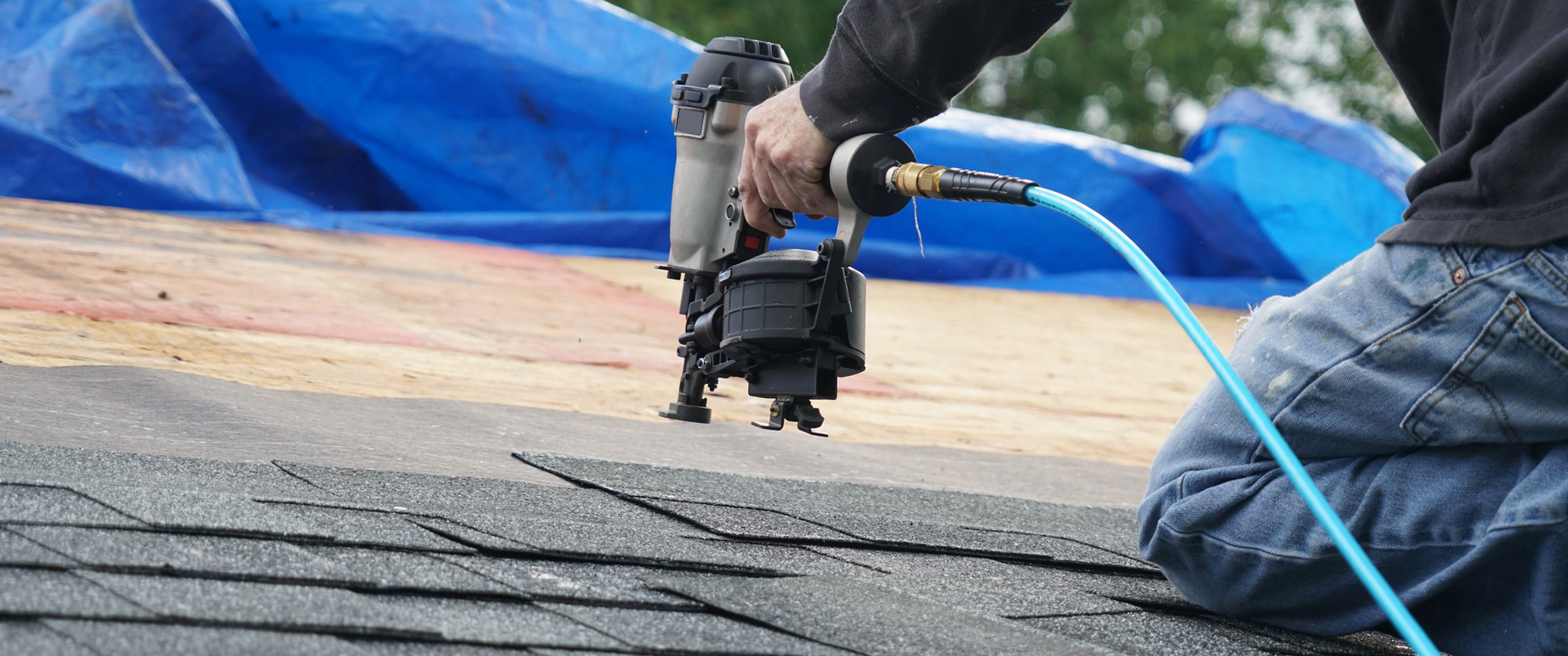

Carrollton, TX sits at the intersection of Dallas and Denton counties in an area that sees frequent severe thunderstorm systems, derechos, and occasionally the remnants of tropical weather pushing inland from the Gulf. Wind is a year-round threat to roofing systems in this part of North Texas — not just during tornado season. A thorough understanding of wind damage types, insurance documentation requirements, and the repair-versus-replacement decision can save Carrollton homeowners significant money and stress.
How Wind Damages Roofing Systems
Wind damage to roofing is not uniform. The type and extent of damage depends on wind speed, direction, gusts versus sustained winds, the age and condition of the existing roof, and installation quality. Understanding the failure mechanisms helps you communicate accurately with your contractor and insurance adjuster.
Wind Speed Thresholds
Standard architectural asphalt shingles are rated to withstand winds of 110 to 130 miles per hour when properly installed. However, real-world performance is affected by age, previous damage, improper nail placement, and adhesive strip condition. Sustained winds of 45 to 60 miles per hour — common in North Texas severe thunderstorm systems — can begin lifting shingles on older or compromised roofs. Gusts above 70 mph frequently cause visible damage even on newer roofs. Any National Weather Service report of winds at or above these thresholds is useful documentation for an insurance claim.
Blown-Off Shingles
When wind fully removes shingles, the damage is immediately visible: bare decking or underlayment is exposed, and you may find shingle tabs in the yard. This creates an urgent leak risk and requires prompt temporary protection if professional installation is not immediately available. Photograph exposed areas, collect shingles from the yard for documentation, and contact your insurance carrier and a roofing contractor the same day.
Lifted Shingles
Lifted shingles — also called wind-creased or stress-cracked shingles — are often more insidious than blown-off shingles because they are not immediately obvious from the ground. Wind gets under a shingle's leading edge, breaks the adhesive strip seal, and may crease the shingle along a stress line. The shingle appears to be in place, but it is no longer sealed and is vulnerable to re-lifting in subsequent storms. Water can also infiltrate under lifted shingles during rain, saturating underlayment and decking over time. A professional inspection is the only reliable way to identify lifted shingles across the full roof surface.
Documenting Wind Damage for Insurance
Thorough documentation is the foundation of a successful wind damage claim. Before any work begins, complete the following steps.
- Photograph the entire exterior of the roof from ground level, capturing all visible damage
- Photograph shingles found in the yard with something for scale reference
- Document damage to gutters, siding, fencing, and any other wind-affected structures
- Note the date and time of the storm event and cross-reference the National Weather Service storm report
- Have a professional contractor document roof-level damage before any temporary repairs
- Retain all receipts for emergency or temporary protection work
At SkyGuard Roofing Solutions, we assist Carrollton homeowners with the full documentation process and can present our findings to insurance adjusters directly. Our familiarity with Xactimate estimating software means we understand how adjusters value damage and can ensure nothing is overlooked in the initial assessment.
Repair vs. Replacement: Making the Right Call
Not every wind event warrants a full roof replacement. The decision depends on the extent of damage, the age and condition of the roof, and your insurance coverage terms.
Spot repair is typically appropriate when fewer than 10 to 15 percent of the roof surface is damaged, the existing shingles are relatively new (under ten years), and the balance of the roof is in sound condition. Matching existing shingles for a spot repair can be challenging — shingle colors change between production runs, and a perfect color match is rarely achievable on an older roof. This is worth discussing with your contractor before committing to a partial repair if appearance matters to you.
Full replacement is generally the better investment when the roof is already ten or more years old, when damaged areas are widespread, when the existing shingle line has been discontinued by the manufacturer, or when a replacement would qualify for a Class 4 impact-resistant discount on your insurance premium. Our team can perform a comprehensive roof inspection and provide an honest recommendation on which path makes more financial sense for your specific situation.
Wind-Resistant Upgrades Worth Considering
If a wind event prompts a partial or full roof replacement, it is an opportunity to upgrade your system's wind resistance. Options include selecting shingles with a higher wind rating (look for products rated to 130 mph or higher), ensuring all flashings are mechanically fastened and sealed, installing starter strips at eaves and rakes using proper adhesive-backed products, and confirming that nail patterns meet or exceed manufacturer specifications rather than minimum code requirements.
For Carrollton homeowners in neighborhoods with mature trees, keeping branches trimmed clear of the roofline is also a meaningful risk-reduction measure — falling limbs during high-wind events cause structural damage far more severe than wind alone. If you need financing for your repair or replacement, we offer flexible options to fit most budgets. Call us at (682) 330-5088 or schedule your free inspection online today.